


Quick answer
Vietnam is easy to love and slightly chaotic to arrive in.
The first day gets much simpler if you understand four things before landing:
entry rules, cash, connectivity and transport.
Entry rules for British travellers
As of October 2026, full British-citizen passport holders can visit Vietnam visa-free for up to 45 days for tourism or business.
For longer stays, Vietnam offers e-visas for stays of up to 90 days, single or multiple entry. Apply only through the official portal at evisa.gov.vn: agency sites charge extra. Your e-visa limits you to the entry and exit points you choose when applying.
| Detail | Visa-free | E-visa |
|---|---|---|
| Length of stay | Up to 45 days | Up to 90 days |
| Entries | One visit | Single or multiple entry |
| Official cost | Free | US$25 single, US$50 multiple |
| How to get it | Nothing to apply for | Official portal only: evisa.gov.vn |
| Watch out for | Check the date stamped on arrival | Limited to the entry and exit points you chose |
Swipe the table sideways to see every column.
Your passport currently needs at least six months' validity after arrival and at least two blank pages.
Warning
Ho Chi Minh City digital arrival card
From 15 April 2026, Vietnam has encouraged foreign travellers entering via Tan Son Nhat Airport (SGN) to complete a digital arrival card online before arrival, at the official site prearrival.immigration.gov.vn.
UK guidance currently says it is not mandatory, but that this can change or expand to other airports with limited notice. Some commercial websites describe it as mandatory; the UK government's position is the one to follow.
Cash matters
Vietnamese dong involves large numbers.
Do not let the zeros panic you.
A practical system:
- learn the common note values
- count notes before handing them over
- keep smaller notes accessible
- do not flash your entire cash stack
- use cards where sensible but keep cash
ATMs and card acceptance are widespread in the big cities, but you should not expect every local shop, street stall or small business to take foreign cards.
Grab is extremely useful
Grab operates in Vietnam and can remove a lot of uncertainty from first-day transport.
It is useful for:
- airport ride
- city rides
- avoiding address pronunciation problems
- seeing the route
- understanding the likely cost before travelling
Motorbike ride-hailing is also common, but only use it if you are comfortable with the risk and helmet situation.
Crossing the road
This sounds like a joke until you arrive.
Ho Chi Minh City traffic can feel impossible at first because streams of scooters move differently from British traffic.
Tip
SIM/eSIM
Get data early.
Vietnam becomes much easier with:
- maps
- Grab
- translation
- accommodation messages
- banking
An eSIM before arrival is convenient; local SIMs may offer strong value.
Food
Vietnam is one of the places where eating local is both the budget option and the main event.
Do not spend the first week hiding in western restaurants because ordering looks intimidating.
Start with obvious dishes:
- pho
- banh mi
- com tam
- bun dishes
- fresh rolls
Busy places with fast turnover can be easier for a nervous first-timer than an empty restaurant with a giant tourist menu.
Transport between cities
Vietnam is long.
Look at the map before saying "we'll just do Hanoi, Hoi An and Ho Chi Minh City".
Domestic flights, trains and sleeper buses all have a place.
The right answer depends on:
- trip length
- overnight tolerance
- baggage
- budget
- whether the journey itself interests you
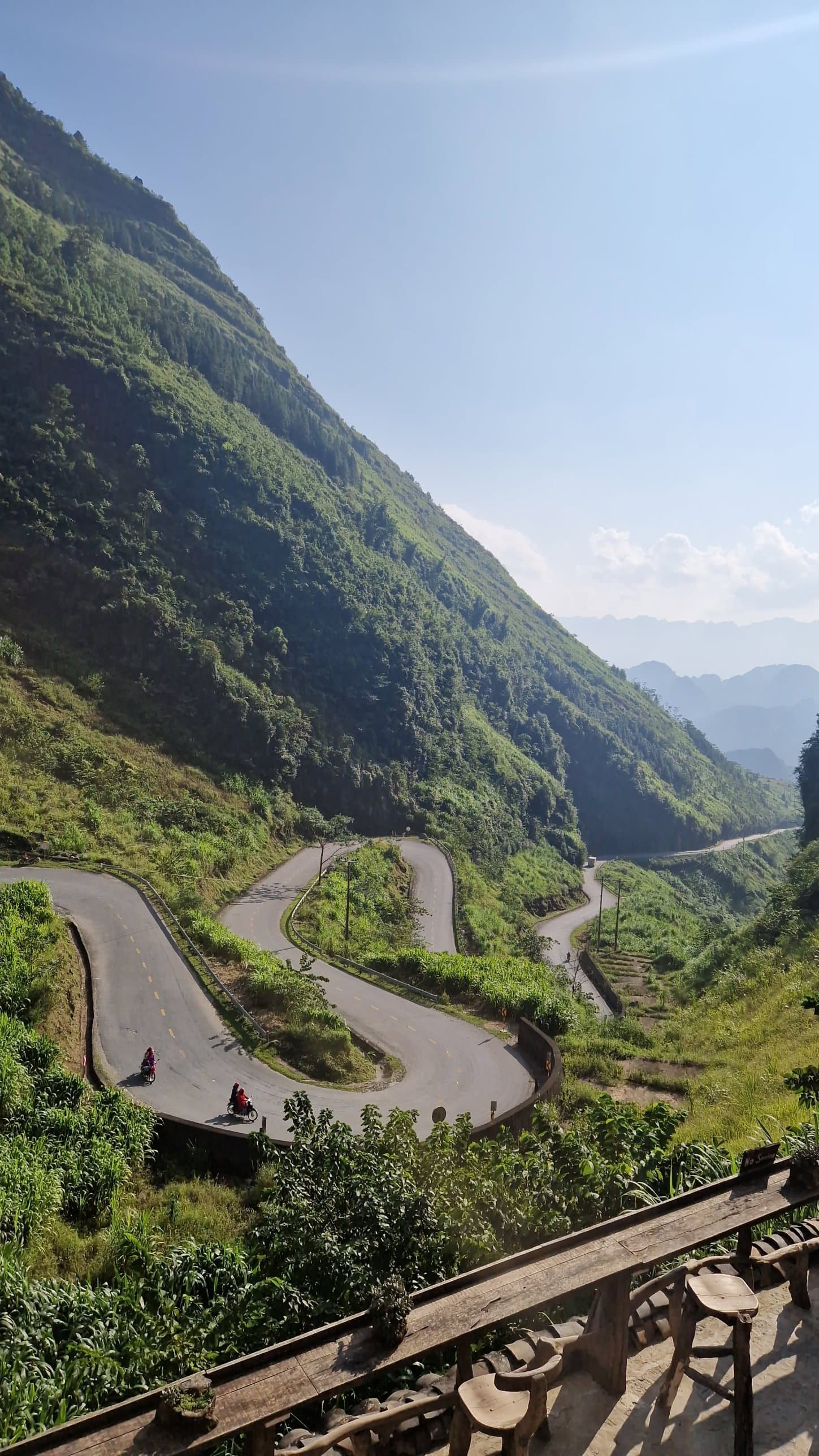
Vung Tau and Ho Chi Minh City
See Ho Chi Minh City: your first 24 hours for the first-day version of this.
Do not overstay
Check the entry stamp/permission date.
UK guidance says that if you overstay, the authorities can stop you leaving until you pay a fine, and you could be deported and banned from returning. The British Embassy will not help with visa extensions.
Check that the date you're given is 45 days from your arrival date before you leave the airport: officials won't correct it afterwards.
Laws and numbers worth knowing
- Vapes are banned. UK travel advice says you cannot buy vapes in Vietnam or bring them into the country.
- Drug penalties are severe, including for cannabis, regardless of the amount.
- Scooters: you need your UK licence plus a 1968 International Driving Permit. Without the right licence your insurance may not cover you.
- Cash: you must declare more than 15 million dong or US$5,000 in cash when entering or leaving.
- Emergency numbers: police 113, fire 114, ambulance 115. These lines are usually answered in Vietnamese only.
Sources
Related guides
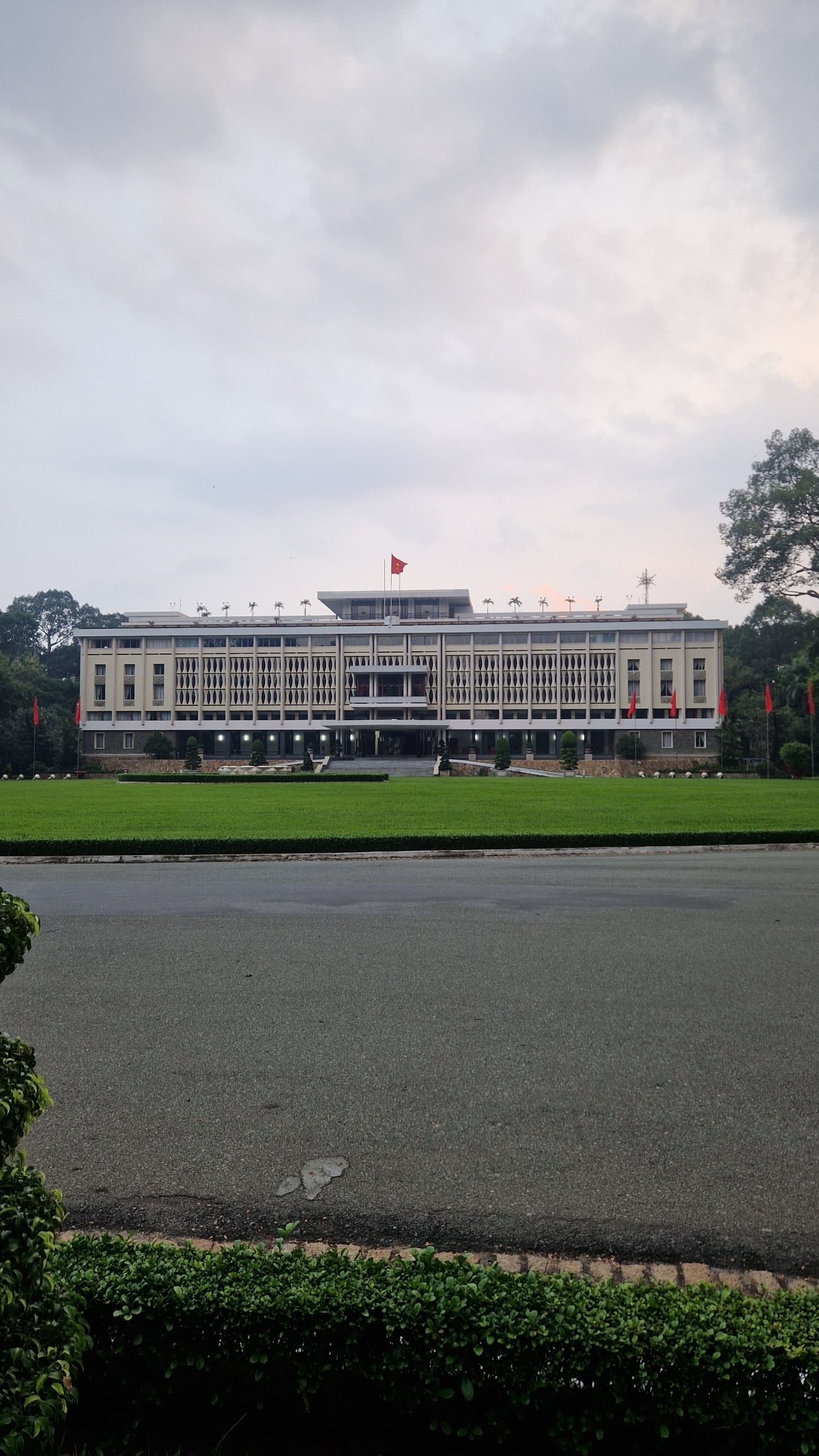 Photo: Joe, Ho Chi Minh City
Ho Chi Minh City: Your First 24 Hours Without the Stress
Landing in Ho Chi Minh City? A simple first-day plan covering airport arrival, cash, Grab, SIM/eSIM, your hotel and what to do once you've dropped your bags.
Vietnam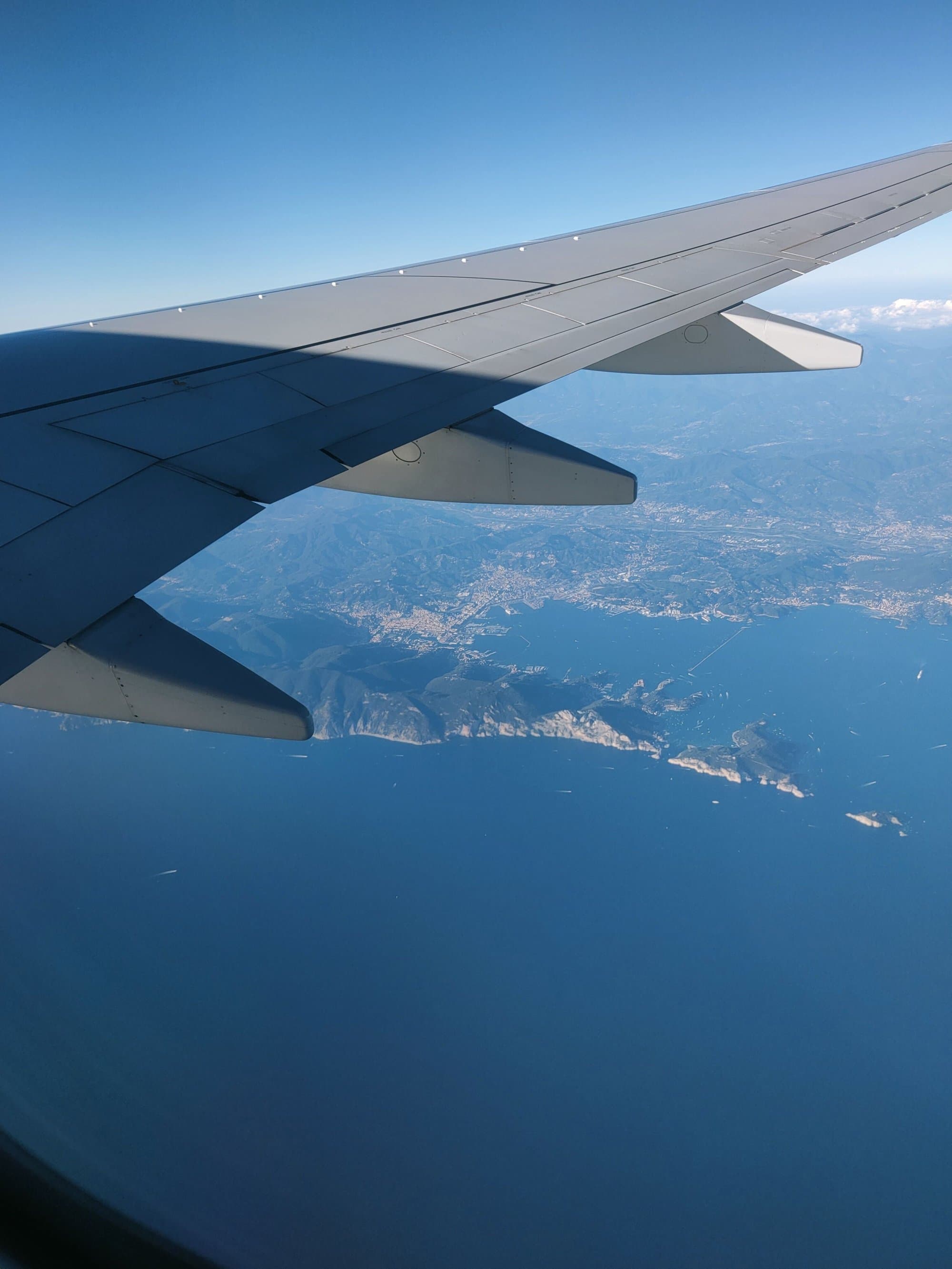 Photo: Boyan Minchev / Pexels
What to Download Before a Long Flight to Asia With No Wi-Fi
No Wi-Fi on your long-haul flight? Download these maps, documents, language lessons, entertainment and travel backups before you leave home.
Asia-wide