

Quick answer
Jump to section
- Entry rules for British travellers
- Do not rely on one bank card
- Cash is still useful
- Download your essential apps before landing
- Bangkok traffic changes how you plan
- Grab is incredibly useful, but learn the rail system too
- Thailand is hot in a way that catches you out
- Street food does not need to be frightening
- Temple etiquette: the simple version
- Losing your temper rarely helps
- Never criticise the monarchy
- Do not rent a scooter casually
- Do not hand over your passport as security
- Nightlife is fun. Keep your basic judgement.
- Vapes are illegal, and cannabis is medical-only
- You do not need to see everything
Thailand is one of the easiest countries in Asia to travel independently.
The confusing part is the first day.
You land tired, you need internet, cash, transport and a hotel, and suddenly every tiny decision feels important.
This is the stuff I would want sorted before getting on the plane.
Entry rules for British travellers
This section changes, so check it close to departure.
From 15 September 2026, British citizens entering Thailand under the visa-exemption scheme can stay for up to 30 days for tourism. This replaced the previous 60-day exemption, so older articles are out of date. The UK government says visa-exempt entry is normally limited to two entries per calendar year.
The UK government also says travellers may be asked for evidence of onward/return travel and sufficient funds. It currently gives the financial figure as at least 10,000 baht per person or 20,000 baht per family.
All foreign nationals entering Thailand must complete the Thailand Digital Arrival Card (TDAC) within the three days before arrival. It's free. Use only the official site, tdac.immigration.go.th: paid lookalike sites exist.
Your passport should be valid for at least 6 months from the date you arrive and have at least one blank page.
Warning
Do not rely on one bank card
This is one of the biggest practical lessons I took from travelling. I lost my bank card on two of my three trips to Asia, and both times the hard part was getting cash, not cancelling the card.
Take:
- a main card
- a backup card from a different account/provider
- access to mobile banking
- some emergency cash
- a plan for receiving money if both cards disappear
And do not keep both physical cards in the same wallet.
If you lose your card, we have a separate step-by-step guide rather than making you dig through this page.
Cash is still useful
Thailand is technologically advanced, but foreign tourists cannot assume they can use every local QR code they see.
Cards work in many hotels, malls, larger restaurants and established businesses.
Cash remains useful for:
- markets
- street food
- smaller restaurants
- some taxis
- tips
- small shops
- situations where the merchant uses PromptPay QR but your foreign bank cannot
Download your essential apps before landing
At minimum, I would have:
- Grab
- Google Maps
- Google Translate
- your banking apps
- your airline app
- your accommodation booking app
- an eSIM/local mobile-data plan ready or understood
Offline-map downloads are worth doing before the flight too. The essential apps guide explains what each app is for and what to set up before you land.
You will be grateful the first time your mobile signal disappears.
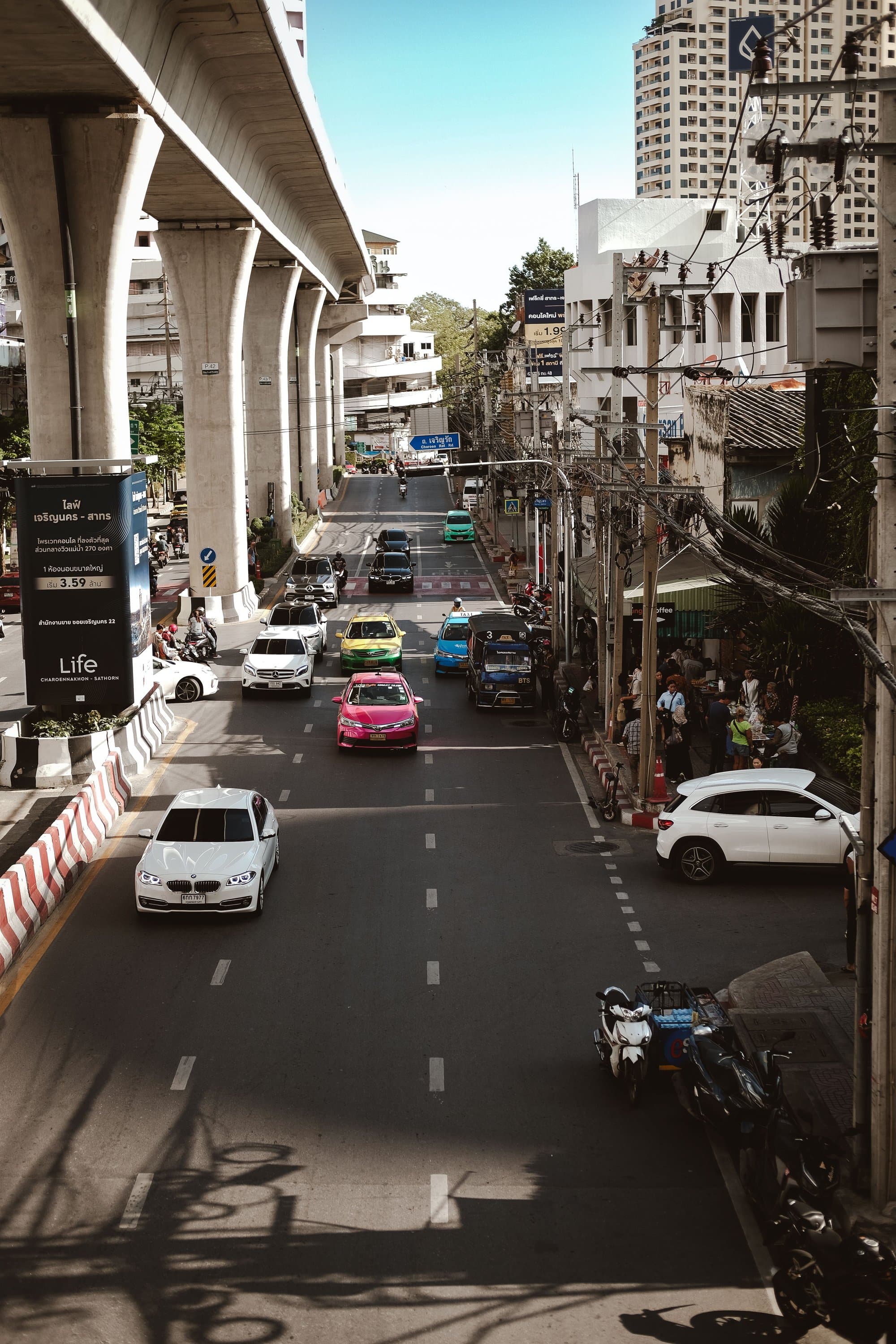
Bangkok traffic changes how you plan
A hotel that is 4 km away is not necessarily "10 minutes away".
Bangkok traffic can be brutal.
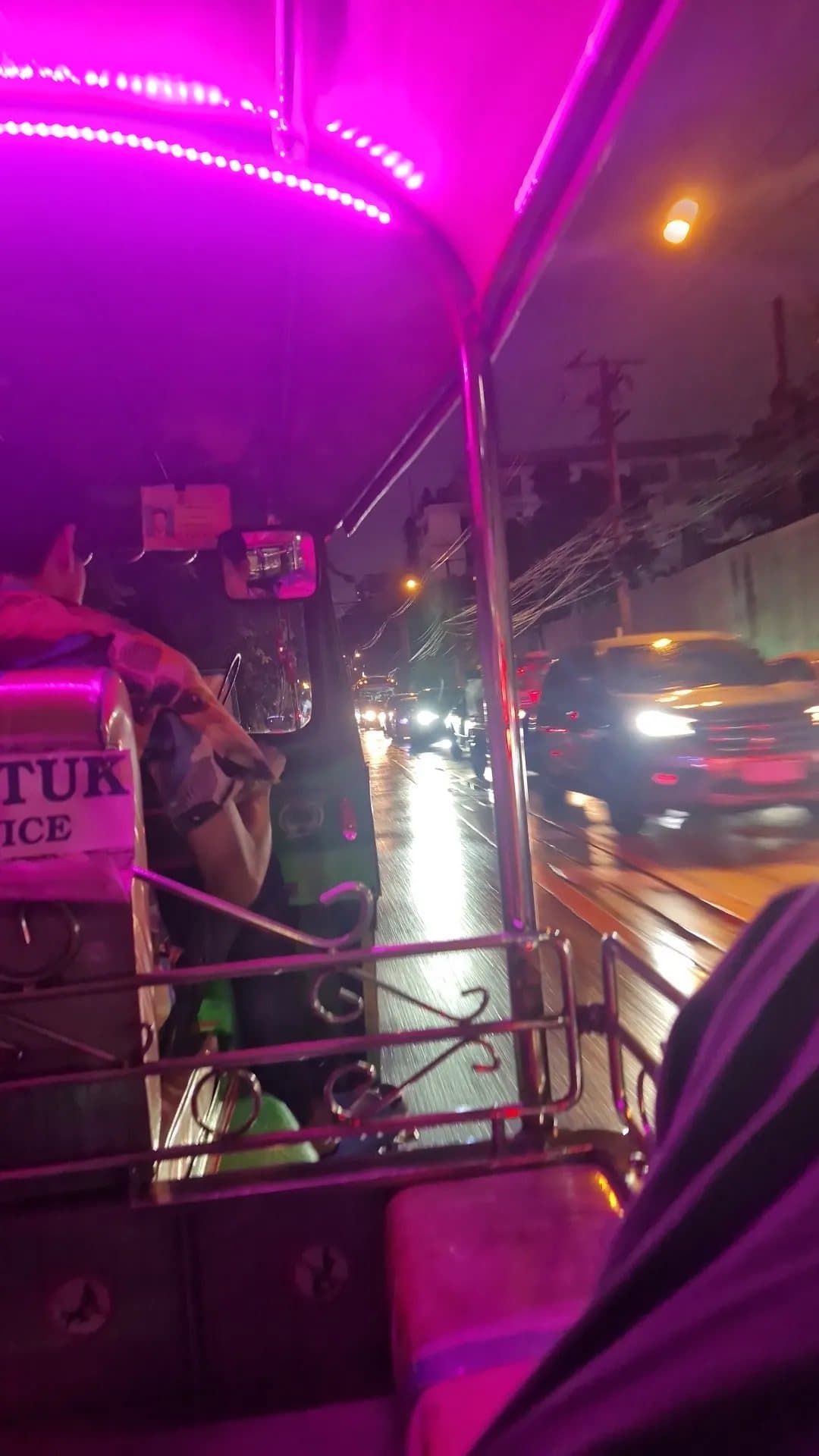
When choosing accommodation, being close to BTS or MRT can save more time than being geographically close to one attraction.
That is why our Bangkok hotel guide is organised by area and transport rather than just listing hotels.
Grab is incredibly useful, but learn the rail system too
Grab removes a lot of friction:
- destination entered in the app
- visible estimated price
- no need to explain an address
- ride tracking
But if you use cars for every journey in Bangkok, you will eventually spend a long time staring at traffic.
BTS and MRT are often faster.
The best approach is not "Grab or train". It is knowing which one makes sense for that journey.
Thailand is hot in a way that catches you out
It's the first of the six mistakes I made travelling Thailand, and the most avoidable.
Use sunscreen. Drink water. Give yourself breaks.
On very hot days, plan around the heat instead of trying to prove you can ignore it.
Street food does not need to be frightening
If you are nervous about food, start simple.
Busy stalls where food is being cooked quickly in front of you can be less intimidating than choosing an empty restaurant purely because it looks familiar.
Thailand is also much cheaper when you stop treating every meal like a tourist restaurant meal. For realistic daily costs, see how much money you need for Thailand.
Fish sauce is another thing that sounds more dramatic than it tastes. The smell can be strong; in a finished dish it is usually part of the background seasoning rather than "fishy sauce poured over everything".
Temple etiquette: the simple version
Dress respectfully at religious sites.
Rules vary by temple, but shoulders and knees being covered is a good default for important temples. Remove shoes where instructed.
Also be conscious of Thai cultural norms around:
- feet
- touching people's heads
- public confrontation
- raising your voice
You do not need to memorise a cultural textbook.
Be observant, polite and willing to copy what respectful locals are doing.
Losing your temper rarely helps
"Saving face" gets simplified too much in travel advice, but one practical point matters: aggressive public confrontation is often counterproductive.
If there is a hotel, taxi or booking issue, staying calm usually gets you further than trying to win the argument by becoming louder.
Never criticise the monarchy
Criticising the Thai monarchy (lèse-majesté) is illegal. UK travel advice says the law can be interpreted broadly, covers members of the Royal Family past and present, and carries a long prison sentence. People have faced charges over comments and articles shared online, so don't post, share or joke about the Royal Family, in person or online.
Do not rent a scooter casually
A scooter can look like the easiest way to travel.
It can also create a very serious insurance or legal problem if you are not properly licensed, insured and wearing the right protection.
To ride legally, UK travel advice says you need your UK driving licence and a 1968 International Driving Permit (IDP). Riding without the right licence can invalidate your travel insurance.
Warning
Do not hand over your passport as security
UK travel advice specifically warns against giving your passport as a guarantee to motorcycle or jet-ski rental businesses.
If a business wants to hold your passport, stop and think before agreeing. If a rental dispute does turn serious, the Thailand emergency guide covers what to do, along with lost passports, scams and the official emergency numbers.
Nightlife is fun. Keep your basic judgement.
Bangkok nightlife ranges from backpacker streets to world-class cocktail bars.
A few simple rules:
- know how you are getting home
- keep an eye on your drink
- use licensed/recognisable transport
- check prices before agreeing to anything unclear
- do not assume alcohol availability rules are the same as Britain
Thailand updated its alcohol-sale rules in 2026, so old blog posts may be wrong. Since 29 May 2026, alcohol can generally be sold from 11am to midnight, and the old 2pm–5pm afternoon ban has gone. Licensed hotels, international airports and licensed entertainment venues have their own exceptions.
Vapes are illegal, and cannabis is medical-only
Two laws catch British travellers out:
- Vapes: it is illegal to possess or use any vape, e-cigarette, pod, e-liquid or heat-not-burn device in Thailand. UK travel advice warns of heavy fines and possible detention. Leave your vape at home.
- Cannabis: official UK advice says cannabis use is restricted to medical purposes. You must not buy, possess or use it without a Thai-issued medical prescription.
You will probably still see cannabis shops in tourist areas. The Bangkok nightlife guide explains why that can look inconsistent with the law.
You do not need to see everything
Thailand rewards slower travel.
The mistake is trying to turn Bangkok, Chiang Mai, Phuket, Krabi, Koh Samui and three islands into one frantic two-week checklist.
Leave some room.
Some of the best parts of travelling happen because you stayed somewhere longer than planned.
Sources
- GOV.UK: Thailand entry requirements
- GOV.UK: Thailand safety and security (laws, vapes, cannabis, driving)
- Thailand Ministry of Foreign Affairs: visa exemption changes from 15 September 2026
- Thailand Digital Arrival Card (official site)
- Tourism Authority of Thailand: alcohol sales and consumption rules updated (May 2026)
Related guides
 Photo: Ketut Subiyanto / Pexels
Essential Apps for Thailand: What to Download Before You Land
The Thailand travel apps actually worth downloading: Grab, maps, translation, banking, transport and offline tools, plus what to set up before landing.
Thailand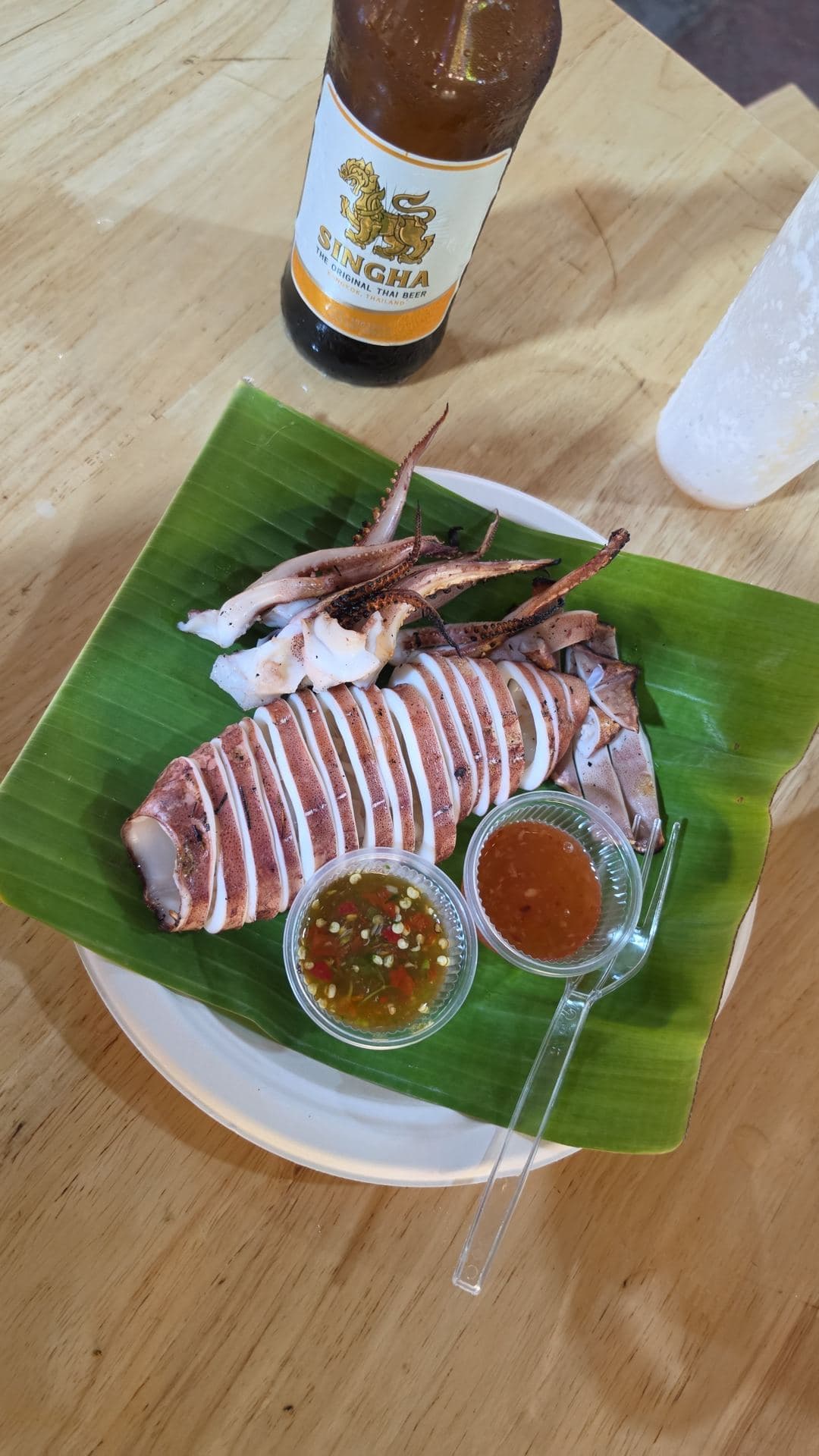 Photo: Joe
Thailand Money Guide: Cash, Cards, ATMs & QR Payments Explained
A practical guide to cash, cards, Thai ATMs, QR payments and currency conversion for British travellers in Thailand.
Thailand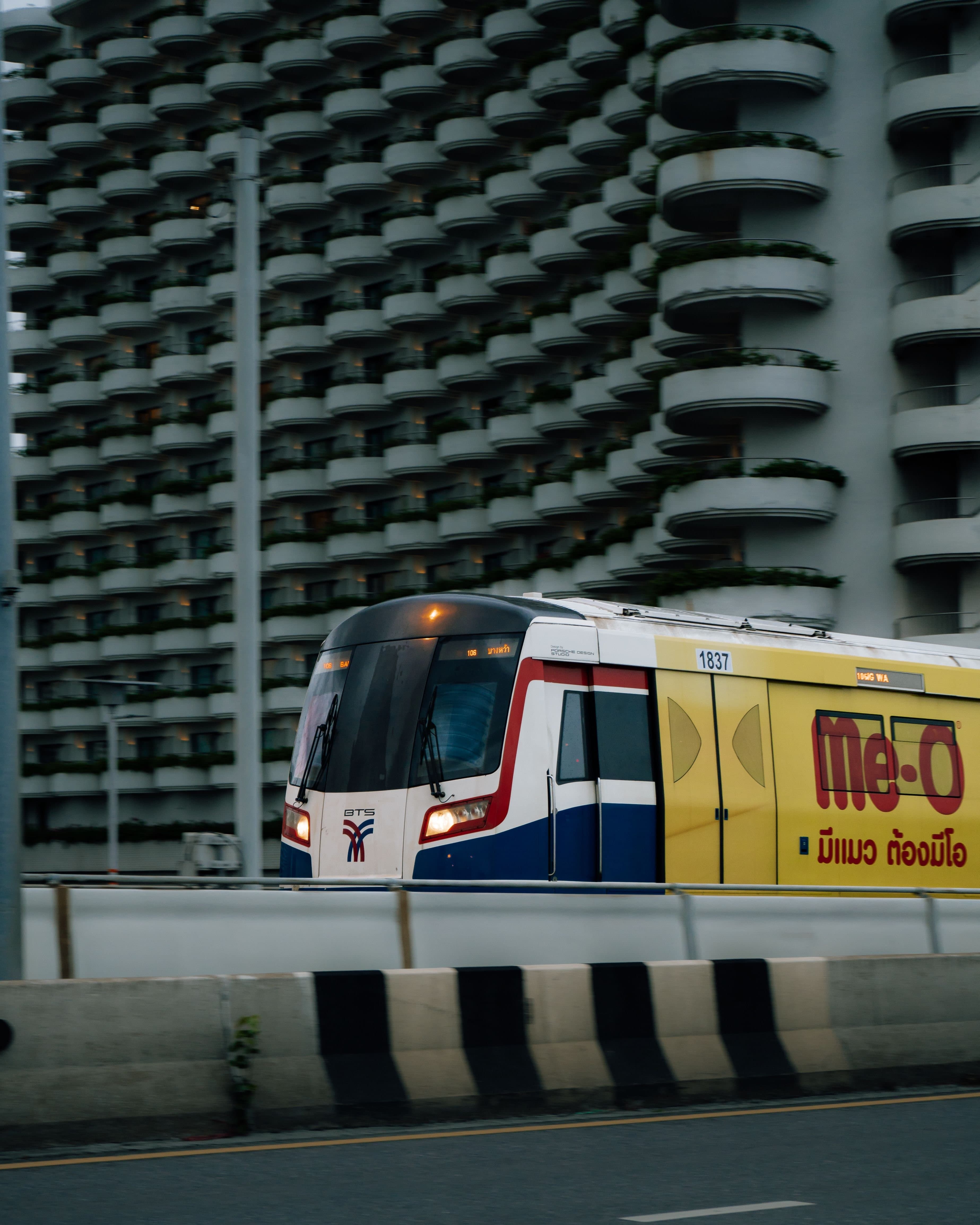 Photo: Zaonar Saizainalin / Pexels
Where to Stay in Bangkok: The Best Area for Every Type of Traveller
Not sure where to stay in Bangkok? Compare Sukhumvit, Khao San, Silom, Riverside and other areas by nightlife, transport, budget and first-time convenience.
Bangkok